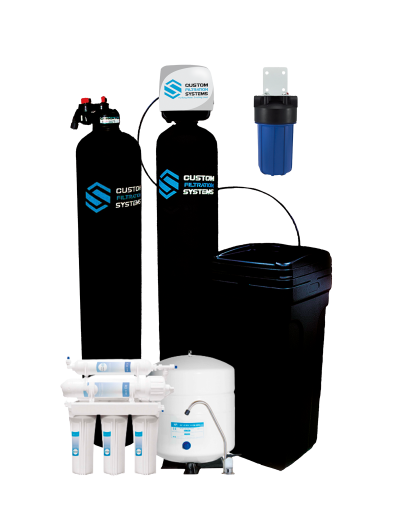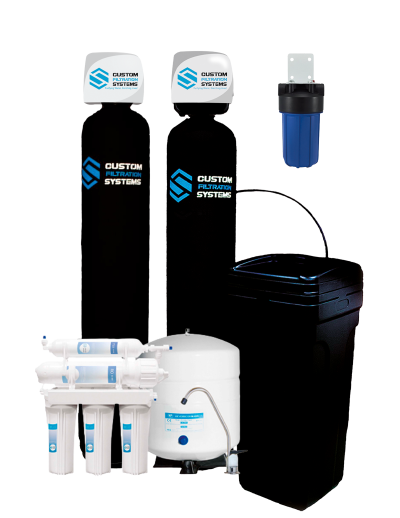
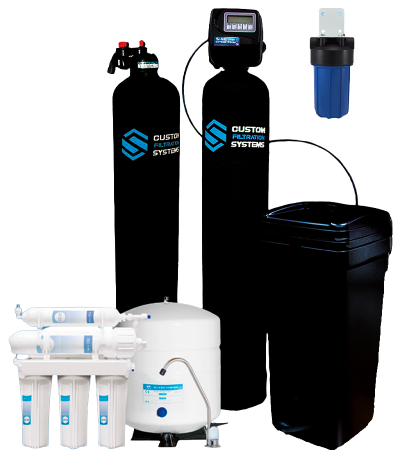
Experience Pure, Clean Living with Whole House Water Filtration
Investing in a whole house water filtration system is a smart, long-term decision that directly supports your family’s health, comfort, and peace of mind. With a high-quality filtration system in place, you can finally say goodbye to worries about contaminants, unpleasant odors, or inconsistent water quality. Instead, you’ll enjoy fresh, clean, great-tasting water from every tap, whether you’re cooking, showering, doing laundry, or simply staying hydrated.
A whole home system doesn’t just improve water; it elevates your overall living experience. From protecting your appliances and plumbing to promoting healthier skin, hair, and daily routines, the benefits touch every part of your home and lifestyle.
If you’re ready to upgrade your home with the confidence of reliable, purified water, we’re here to help. Contact us today for expert guidance, personalized recommendations, and professional installation services. Take the next step toward transforming your home into a true sanctuary of pure, clean water. Your family deserves nothing less.
Why Choose Custom Filtration Systems?
At Custom Filtration Systems, we do not believe in one-size-fits-all water treatment. Every home has unique water conditions, whether it is lead, arsenic, heavy metals, iron, sulfur, or hard water, and every system we build is engineered specifically for those needs.
What sets us apart is our actual custom design process. We tailor each system to your home’s plumbing size, number of bathrooms, household usage, and the exact water quality issues in your area. This ensures you receive a solution that is not just good but perfectly optimized for your home.
With this personalized approach, we can provide any level of protection your water requires, including whole-house filtration, high-efficiency water softeners, advanced reverse osmosis systems, and UV treatment for bacterial and viral contaminants.
We build all our systems in Texas using premium, U.S.-Made components, back them with the industry’s best warranties, and install them with our expert team. With Custom Filtration Systems, you get unmatched performance, long-term reliability, and water you can trust, designed specifically for your home. We are located just Northeast of the Houston area and service these cities. We have also started servicing cities in the DFW area. Below are key items every customer can expect.
Free Installation
No surprise charges. Ever. We handle the entire installation process at no cost to you, saving you money while ensuring your system is set up professionally and ready to perform from day one.

Lifetime Warranty
Enjoy unmatched confidence with our lifetime warranty, covering your system for the long haul. If anything goes wrong, we’ve got you covered at no additional cost.
Free Water Testing
Our free in-home water test reveals exactly what contaminants are present, so we can build the perfect system for your needs-no guesswork, no obligations.


Custom Solutions
No one-size-fits-all systems. Just what your home needs. Every home is different. We design each system to match your water conditions, household size, and lifestyle-ensuring optimal performance and cost-efficiency.
Custom Water Filtration Solutions
We’ll visit your home, test your water, and recommend the ideal setup for your family. Whether you need sediment removed or want complete treatment, we have an affordable system to suit you. Installation is quick and easy, often within a day. Then, you can enjoy cleaner showers, healthier drinking water, and protection for all your indoor plumbing.
Frequently Asked Questions
How does a whole house well water conditioner protect against mineral buildup?
Protection Against Mineral Buildup
Whole house well water conditioners are designed to treat hard water by targeting minerals like calcium and magnesium that cause scale buildup. Here's how they help:
- Prevention of Scale Formation: These systems alter the chemical structure of hard minerals, preventing them from crystallizing and depositing on plumbing surfaces.
- Maintaining Pipe Efficiency: By reducing scale buildup, water flow remains consistent, avoiding clogs and corrosion inside pipes.
- Extending Appliance Lifespan: Appliances such as water heaters, dishwashers, and washing machines are protected from mineral deposits that can reduce efficiency and cause damage.
- Improving Water Quality: Conditioners often include filtration components that remove sediment and impurities, further reducing the risk of buildup.
Overall, a whole house well water conditioner ensures your plumbing system and appliances stay free from harmful mineral deposits, saving on maintenance costs and improving water performance throughout your home.
How does a house water filtration system improve taste and safety of drinking water?
Enhancing Taste and Safety with House Water Filtration Systems
A house water filtration system significantly improves both the taste and safety of your drinking water by removing various contaminants and impurities. Here’s how it works:
- Removal of Contaminants: These systems filter out harmful substances such as chlorine, pesticides, heavy metals, and bacteria that can affect water quality.
- Improved Flavor: By eliminating chlorine and organic compounds, the water tastes fresher and cleaner, free from unpleasant odors or chemical aftertastes.
- Health Protection: Filtering out pathogens and harmful chemicals reduces the risk of waterborne diseases and long-term health issues.
- Consistent Quality: A whole house system ensures that all water outlets — including taps, showers, and appliances — provide clean, safe water.
Investing in a reliable filtration system ensures peace of mind that your household consumes water that not only tastes better but also meets health safety standards.
What are the most effective techniques for removing hardness from well water?
Removing hardness from well water primarily involves targeting the minerals calcium and magnesium, which cause scale buildup and affect water quality. Here are the most effective techniques:
1. Ion Exchange Water Softeners
This traditional method uses resin beads to exchange hardness ions (calcium and magnesium) with sodium or potassium ions. It effectively reduces hardness but requires salt and regular maintenance.
2. Salt-Free Water Conditioners
These systems use template-assisted crystallization or other media to alter hardness minerals so they don't form scale. They don't remove minerals but prevent scale buildup, making them eco-friendly and low-maintenance.
3. Reverse Osmosis (RO) Systems
RO systems filter out a wide range of contaminants including hardness minerals. While effective, RO is typically used for drinking water due to slower flow rates.
4. Magnetic or Electronic Descalers
These devices claim to reduce scale by altering mineral behavior through magnetic or electrical fields. Effectiveness can vary and is less consistent than other methods.
Choosing the right method depends on your water hardness level, household needs, and preferences for maintenance and environmental impact.
How does whole home drinking water filtration improve overall water quality?
Benefits of Whole Home Drinking Water Filtration
Whole home drinking water filtration systems are designed to treat all the water entering your home, ensuring every tap provides clean and safe water. Here's how they improve overall water quality:
- Removal of Contaminants: These systems effectively reduce harmful substances such as chlorine, sediment, heavy metals, and organic compounds that can affect taste and safety.
- Improved Taste and Odor: By filtering out chlorine and other chemicals, the system enhances the flavor and smell of your water, making it more pleasant for drinking and cooking.
- Protection for Plumbing and Appliances: Filtering out sediments and minerals helps prevent scale buildup, extending the lifespan of pipes, water heaters, and appliances.
- Consistent Water Quality: Since the filtration is installed at the main water line, it ensures that all water used for drinking, bathing, and cleaning meets high quality standards.
Overall, whole home drinking water filtration provides comprehensive protection, promotes health, and improves the daily water experience throughout your household.
What makes a salt free water treatment company different from traditional water treatment providers?
Salt free water treatment companies specialize in providing water conditioning solutions that do not rely on salt-based ion exchange processes. Unlike traditional water softeners that replace calcium and magnesium ions with sodium, salt free systems use alternative technologies to reduce scale buildup and improve water quality.
Key Differences:
- Technology Used: Salt free systems often use template-assisted crystallization (TAC) or other physical water conditioning methods that alter mineral structure to prevent scale without removing minerals.
- Environmental Impact: These companies promote eco-friendly treatments since they do not discharge salt brine back into the environment, preserving soil and water quality.
- Maintenance: Salt free systems generally require less maintenance because there is no need to replenish salt or deal with salt-related corrosion issues.
- Health Considerations: Since minerals remain in the water, salt free treatments are preferred for those monitoring sodium intake.
Choosing a salt free water treatment company means opting for a sustainable, low-maintenance approach to managing hard water problems while protecting plumbing and appliances.
How does an iron and sediment filter enhance the quality of well water?
Iron and sediment filters play a critical role in improving well water quality by targeting two common contaminants: iron and sediment particles.
Removal of Iron
Iron in well water often causes reddish or rusty stains on fixtures and laundry. An iron filter oxidizes dissolved iron, converting it into solid particles that can be trapped and removed. This process helps eliminate unpleasant tastes, odors, and staining issues associated with iron.
Filtration of Sediment
Sediment filters trap dirt, sand, and other suspended particles present in well water. Removing these particles prevents clogging of plumbing and appliances, protects water-using equipment, and contributes to clearer, cleaner water.
Overall Benefits
- Improved water clarity and taste
- Protection of household plumbing and appliances from buildup and damage
- Reduction of staining on fixtures and fabrics
- Enhanced effectiveness of subsequent water treatment systems
By combining iron and sediment filtration, well water becomes safer, more aesthetically pleasing, and better suited for everyday use in the home.
How does a residential salt free water system protect the environment?
Environmental Benefits of Salt Free Water Systems
Residential salt free water systems offer several advantages that contribute positively to environmental sustainability:
- Reduces Salt Discharge: Unlike traditional salt-based water softeners, salt free systems do not release sodium or chloride into wastewater, preventing harmful impacts on soil and aquatic ecosystems.
- Conserves Water: These systems typically do not require regeneration cycles that use extra water, helping to conserve valuable water resources.
- Energy Efficiency: Salt free water conditioners often operate with minimal energy consumption, reducing household energy use and carbon footprint.
- Minimizes Chemical Use: They avoid chemical additives, promoting a cleaner, more natural water treatment process.
By choosing a residential salt free water system, homeowners support eco-friendly water management practices while effectively addressing hard water issues.
What are the health benefits of using purified well water?
Health Benefits of Purified Well Water
Purifying well water is essential to ensure it is safe for consumption and daily use. Untreated well water can contain harmful bacteria, viruses, heavy metals, and chemicals that pose health risks.
- Reduces Risk of Illness: Purification removes pathogens such as E. coli and Giardia that cause gastrointestinal infections.
- Removes Harmful Chemicals: Filtration systems can eliminate pesticides, nitrates, and heavy metals like lead and arsenic, protecting against chronic health issues.
- Improves Taste and Odor: Removing sulfur compounds and sediments enhances water palatability, encouraging adequate hydration.
- Supports Skin and Hair Health: Clean water free from contaminants reduces irritation and dryness caused by impurities.
- Protects Vulnerable Populations: Children, elderly, and those with weakened immune systems benefit significantly from purified water.
Overall, well water purification contributes to safer, healthier water that supports long-term wellness for you and your family.
How does a whole home water conditioning system affect water hardness levels?
Impact on Water Hardness
A whole home water conditioning system is designed to manage and reduce water hardness, which is caused by minerals like calcium and magnesium. By treating the water throughout the entire home, these systems help prevent scale buildup on plumbing fixtures, appliances, and pipes.
How It Works
- Mineral Alteration: Salt-free systems typically alter the structure of hardness minerals to prevent them from depositing as scale, rather than removing them.
- Ion Exchange: Salt-based softeners replace hardness minerals with sodium or potassium ions, effectively softening the water.
Benefits
- Reduces scale buildup, extending appliance lifespan.
- Improves soap and detergent efficiency.
- Helps maintain clean fixtures and reduces spotting.
Choosing the right system depends on your water quality and personal preferences. Overall, these systems effectively manage hardness levels to protect your home’s plumbing and improve water quality.
How does salt free hard water treatment protect plumbing and appliances?
Salt free hard water treatment protects plumbing and appliances by preventing scale buildup without removing essential minerals from the water. Instead of using salt to soften water, these systems use specialized media that condition hard water minerals, such as calcium and magnesium, to stop them from crystallizing and adhering to surfaces.
Key Benefits for Plumbing and Appliances
- Reduced scale buildup: Prevents limescale deposits inside pipes, water heaters, and fixtures, maintaining optimal flow and efficiency.
- Extended appliance lifespan: Minimizes mineral-related wear and tear on dishwashers, washing machines, and water heaters.
- Lower maintenance costs: Decreases the frequency of descaling and repairs caused by hard water damage.
- Environmentally friendly: Avoids the use of salt, reducing harmful discharge into wastewater systems.
Overall, salt free hard water treatment offers an effective, low-maintenance solution to protect your home’s plumbing and appliances from the damaging effects of hard water while preserving beneficial minerals.
What types of odors can a well water odor treatment system eliminate?
Well water odor treatment systems are designed to effectively remove unpleasant smells commonly found in well water. The most frequent odors addressed include:
- Rotten egg smell: Typically caused by hydrogen sulfide gas, which is a common issue in well water.
- Musty or earthy odors: Often due to organic materials or bacterial growth in the water source.
- Metallic or sewage-like odors: May result from iron bacteria or other contaminants.
These systems use a variety of treatment methods such as activated carbon filtration, aeration, oxidation, and specialized media to neutralize or remove odor-causing compounds. Properly selecting and maintaining the right treatment system ensures your household water smells fresh and clean, improving overall water quality and user experience.
What should I expect during the whole house filter installation process?
Overview of the Installation Process
Installing a whole house filter involves several key steps to ensure clean water throughout your home. The process typically includes:
- Assessment: A professional evaluates your water supply to determine the best filter type based on contaminants and flow rate.
- Placement: The filter is installed at the point where water enters your home, usually near the main water shutoff valve.
- Plumbing modifications: Pipes may need to be cut and fitted with bypass valves to allow for maintenance without disrupting water flow.
- Filter setup: The filtration unit is connected, secured, and tested for leaks and pressure consistency.
What to Expect Post-Installation
After installation, expect a brief period of flushing the system to remove any loose carbon fines or debris. Water pressure should remain stable if installed correctly. Routine maintenance, such as filter replacements, will be required to keep your system effective.
Professional installation ensures optimal performance and compliance with local plumbing codes, providing peace of mind for your water quality and household needs.
What impact does whole home well water treatment have on household plumbing?
Protecting Your Plumbing System
Whole home well water treatment plays a crucial role in maintaining the integrity and efficiency of your household plumbing. Untreated well water often contains minerals like calcium, magnesium, and iron, which can accumulate and cause scale buildup inside pipes and fixtures.
Benefits to Plumbing:
- Prevents Scale Buildup: Treatment systems reduce hardness minerals that cause scaling, helping to keep pipes clear and flowing smoothly.
- Reduces Corrosion: Proper filtration can neutralize corrosive elements, extending the life of metal pipes and reducing leaks.
- Improves Flow and Pressure: Clean pipes free from sediment and scale maintain optimal water pressure throughout your home.
- Extends Appliance Lifespan: By protecting plumbing, it also safeguards connected appliances like water heaters, dishwashers, and washing machines from damage.
Investing in whole home well water treatment ensures your plumbing system remains efficient, reduces costly repairs, and promotes a healthier water environment in your household.
How does a residential water conditioner improve the efficiency of household appliances?
Enhancing Appliance Efficiency with a Residential Water Conditioner
A residential water conditioner plays a crucial role in protecting household appliances by treating hard water and reducing scale buildup. Hard water contains minerals like calcium and magnesium that can accumulate inside appliances, leading to clogging and decreased performance.
- Prevents Scale Formation: By conditioning the water, these systems reduce mineral deposits on heating elements, pipes, and fixtures, ensuring appliances like water heaters, dishwashers, and washing machines operate efficiently.
- Extends Appliance Lifespan: Minimizing scale buildup reduces wear and tear, helping appliances maintain optimal function longer and delaying the need for repairs or replacements.
- Improves Energy Efficiency: Clean, scale-free appliances require less energy to heat water or perform tasks, which can lower utility bills.
Overall, installing a residential water conditioner not only improves water quality but also safeguards your investment in household appliances by maintaining their efficiency and longevity.
What are the key steps involved in salt free water system installation?
Key Steps for Installing a Salt Free Water System
Installing a salt free water system involves several important steps to ensure optimal performance and longevity:
- Assessment of Water Quality: Begin with testing your water to determine hardness levels and any other contaminants that may affect system choice.
- Selecting the Right System: Choose a salt free system designed specifically for your water conditions and household needs.
- Preparing the Installation Site: Identify a suitable location near the main water line, ensuring easy access for future maintenance and protection from freezing temperatures.
- Shutting Off Water Supply: Turn off the main water line and drain the pipes to prevent leaks during installation.
- System Installation: Install the system according to manufacturer guidelines, typically involving connecting the unit to the main water line with proper fittings and ensuring secure, leak-free connections.
- System Activation and Testing: Turn the water back on and check for leaks, then flush the system as recommended to activate the technology.
- Regular Monitoring: Keep an eye on system operation and water quality to maintain optimal performance.
Following these steps carefully helps ensure your salt free water system is installed correctly, providing effective scale prevention and improved water quality without the use of salt.
What are the best practices for preventing scale buildup in well water systems?
Preventing scale buildup in well water systems is essential for maintaining plumbing efficiency and appliance longevity. Here are the best practices to minimize scale formation:
- Regular Testing: Periodically test well water hardness to monitor mineral levels, primarily calcium and magnesium, which cause scaling.
- Use Water Conditioners: Install a water conditioner designed specifically for well water that modifies hardness minerals to prevent them from depositing as scale.
- Maintain Water Temperature: Keep water heaters at recommended temperatures since higher temperatures accelerate scale buildup.
- Routine Maintenance: Clean and inspect appliances and pipes regularly to remove any early scale deposits before they become severe.
- Consider Magnetic or Electronic Descalers: These devices alter mineral properties to reduce adherence to surfaces, offering a salt-free prevention method.
- Flush Systems Periodically: Regularly flush plumbing lines to clear accumulated minerals.
Implementing these strategies helps ensure your well water system remains efficient and extends the lifespan of household plumbing and appliances.
How does a whole house water purification system affect household water pressure?
Impact on Water Pressure
A whole house water purification system can influence your home's water pressure depending on the system's design and installation. Typically, these systems include filters and components that water must pass through, which may slightly reduce water flow.
Key Factors to Consider
- Filter Type: Some purification technologies, such as carbon filters or reverse osmosis units, can cause more pressure drop than others.
- System Size: Properly sized systems allow adequate flow rates to maintain normal household water pressure.
- Maintenance: Regular filter changes and system upkeep prevent clogging that could reduce pressure over time.
When selecting and installing a whole house water purification system, it’s important to choose a model suited to your household's water usage and to consult a professional installer. This ensures effective purification without compromising your water pressure, maintaining comfort and appliance performance throughout your home.
How does a no salt water softener affect hard water minerals?
A no salt water softener, often referred to as a salt-free water conditioner, does not remove hard water minerals like calcium and magnesium. Instead, it changes the way these minerals behave in your water supply.
How It Works
- Conditioning Minerals: The system uses a process called template-assisted crystallization (TAC) or similar technology to convert hard minerals into microscopic crystals.
- Preventing Scale Buildup: These crystals remain suspended in the water and do not adhere to pipes, fixtures, or appliances, thus reducing scale formation.
- Maintaining Mineral Content: Because the minerals are not removed, the water retains beneficial minerals that contribute to taste and nutrition.
Benefits
- No need for salt or chemicals, making it environmentally friendly.
- Reduces maintenance on plumbing and appliances by minimizing scale buildup.
- Suitable for areas with restrictions on salt discharge.
In summary, a no salt water softener conditions hard water minerals rather than removing them, helping to protect your plumbing system while keeping natural minerals in your water.
What are the benefits of installing a well water conditioner?
Benefits of Installing a Well Water Conditioner
Installing a well water conditioner can significantly improve the quality and usability of your water supply. Here are some key benefits:
- Improved Water Taste and Odor: Conditioning well water often reduces unpleasant tastes and odors caused by minerals or organic compounds.
- Reduction of Hard Water Effects: It helps prevent scale buildup in pipes and appliances, extending their lifespan and improving efficiency.
- Enhanced Cleaning Efficiency: Softer, conditioned water improves soap lathering, making cleaning tasks more effective while using less detergent.
- Protection for Plumbing Systems: By minimizing corrosion and buildup, a water conditioner safeguards your home’s plumbing infrastructure.
- Better Skin and Hair Health: Conditioned water can reduce dryness and irritation caused by hard water minerals.
Overall, a well water conditioner enhances water quality, protects household systems, and contributes to a healthier living environment.
How do water quality treatment systems ensure safe drinking water?
How Water Quality Treatment Systems Ensure Safe Drinking Water
Water quality treatment systems are designed to improve the safety and taste of your drinking water by removing or reducing harmful contaminants. Here's how they work:
- Filtration: These systems use various filters such as activated carbon, sediment filters, or reverse osmosis membranes to physically remove particles, chlorine, pesticides, and other impurities.
- Disinfection: Some systems incorporate UV light or chemical treatments to kill bacteria, viruses, and other pathogens that can cause illness.
- Chemical Removal: Technologies like ion exchange can reduce heavy metals, nitrates, and other dissolved chemicals that pose health risks.
- pH Balancing: Certain systems adjust the water's pH level to prevent corrosion in plumbing and improve taste.
By combining these methods, water quality treatment systems provide safer, cleaner, and better-tasting water suitable for drinking and cooking. Regular testing and maintenance ensure the system continues to perform effectively over time.
What are the limitations of salt free whole house water systems?
Salt free whole house water systems offer several benefits, but they also have certain limitations you should consider before installation.
Limitations to Keep in Mind
- Not a Softener: These systems condition water to reduce scale buildup but do not remove hardness minerals like calcium and magnesium, so water remains technically "hard." This means some scale may still form over time.
- Limited Contaminant Removal: Salt free systems typically do not filter out common contaminants such as bacteria, chlorine, or heavy metals. Additional filtration may be necessary for comprehensive water purification.
- Effectiveness Depends on Water Quality: In areas with extremely hard water or high iron content, salt free conditioners may be less effective at preventing scale or discoloration.
- Does Not Soften Water Feel: Because hardness minerals remain, water may not feel as soft or smooth as water treated with traditional salt-based softeners.
Understanding these limitations will help you determine if a salt free whole house water system meets your household's specific water treatment needs.
What are effective methods for treating sulfur in well water?
Effective Well Water Sulfur Treatment Methods
Hydrogen sulfide is the common sulfur compound that causes a rotten egg odor in well water. Treating sulfur effectively requires selecting the right approach based on sulfur levels and water chemistry.
- Activated Carbon Filtration: Ideal for low to moderate sulfur levels, activated carbon filters adsorb hydrogen sulfide and improve taste and odor.
- Oxidizing Filters: These use media such as manganese greensand or catalytic carbon to oxidize hydrogen sulfide into particles that can be filtered out. They are effective for moderate to high sulfur concentrations.
- Chlorination and Filtration: Chlorine injection oxidizes sulfur compounds, which are then removed by a filtration system. This method is suitable for higher levels of sulfur and other contaminants.
- Aeration Systems: By exposing water to air, aeration oxidizes hydrogen sulfide, allowing it to escape as gas or be filtered out. This is a chemical-free treatment option.
Choosing the right treatment depends on the sulfur concentration, iron levels, pH, and well water flow rate. Consulting a water treatment professional and testing your water can help determine the most effective solution for sulfur removal and improving water quality.
What common contaminants are removed by home water purification systems?
Home water purification systems are designed to improve water quality by removing a range of contaminants that may affect taste, safety, and overall water quality. Common contaminants removed include:
- Chlorine and chloramine: Used in municipal water treatment, these chemicals can affect taste and odor.
- Sediment and particulates: Dirt, sand, and rust particles that cause cloudiness and damage appliances.
- Heavy metals: Such as lead, mercury, and arsenic, which pose serious health risks.
- Bacteria and viruses: Some advanced systems use UV or filtration methods to reduce microbial contaminants.
- Volatile Organic Compounds (VOCs): Chemicals from industrial pollution that can contaminate water supplies.
- Hardness minerals: Calcium and magnesium, which cause scale buildup and affect water softness.
By targeting these contaminants, a home water purification system ensures safer, cleaner water for drinking, cooking, and daily use, enhancing both health and appliance longevity.
Can a whole home salt free water conditioner improve water taste and odor?
Impact on Water Taste and Odor
A whole home salt free water conditioner primarily focuses on preventing scale buildup by altering minerals like calcium and magnesium, rather than removing them. While it doesn't remove contaminants or chemicals responsible for unpleasant tastes and odors, it can indirectly improve water quality by reducing mineral-related issues.
How It Works
- Scale prevention: By preventing hard minerals from forming scale, the system helps maintain clearer water.
- No salt added: This means no salty taste is introduced to the water.
- Mineral retention: Beneficial minerals remain in the water, which can preserve a natural taste.
Limitations
For issues related to chlorine, sulfur, or organic compounds, additional filtration systems are usually necessary to effectively improve taste and odor.
In summary, a salt free water conditioner can help maintain the natural taste of water and reduce mineral-related taste issues, but it is not designed to address all taste and odor problems. Combining it with targeted filtration offers the best results for improving overall water quality.
How does a whole house iron filter affect well water taste and odor?
Improving Taste and Odor with a Whole House Iron Filter
Iron in well water often causes a metallic taste and unpleasant odors, such as a rotten egg smell due to hydrogen sulfide. A whole house iron filter is specifically designed to address these issues by removing iron and related compounds before the water reaches your taps.
- Removal of Metallic Taste: Iron filters reduce dissolved iron, eliminating the metallic flavor that can make drinking and cooking water unpalatable.
- Odor Elimination: Many filters also target hydrogen sulfide, the compound responsible for sulfur-like odors, improving overall water smell.
- Consistent Quality: By treating water at the point of entry, the filter ensures all household water—used for bathing, laundry, and drinking—is fresh and free from iron-related issues.
Choosing a quality whole house iron filter tailored for well water helps restore water taste and odor to a clean, neutral state, enhancing daily water use and household comfort.
What are the main differences between saltless water treatment systems and traditional salt-based softeners?
Main Differences Between Saltless and Salt-Based Water Treatment Systems
Understanding how saltless water treatment systems differ from traditional salt-based softeners can help you choose the right solution for your home:
- Mechanism: Salt-based softeners use ion exchange to remove hardness minerals like calcium and magnesium by replacing them with sodium ions. Saltless systems typically use template-assisted crystallization or other physical processes to alter the minerals so they don’t form scale.
- Salt Usage: Saltless systems do not add sodium or other chemicals to your water, making them more environmentally friendly and better for those on low-sodium diets.
- Water Characteristics: Salt-based softeners actually soften water by removing hardness minerals, which can improve soap lathering and reduce spotting. Saltless systems do not remove hardness but prevent mineral buildup and scale formation.
- Maintenance: Salt-based systems require regular addition of salt and periodic cleaning. Saltless systems generally need less maintenance since they don’t rely on salt or resin beds.
Choosing between the two depends on your water quality needs, health considerations, and environmental preferences.
What are the common signs that indicate the need for a residential water treatment system?
Recognizing the Need for a Residential Water Treatment System
Identifying when to install a water treatment system can help ensure safe and clean water in your home. Common signs include:
- Unpleasant Taste or Odor: Water that smells or tastes metallic, sulfur-like, or otherwise off can indicate contamination.
- Visible Sediment or Cloudiness: Particles or turbidity in the water suggest impurities and may require filtration.
- Staining on Fixtures or Laundry: Rust-colored, green, or white stains on sinks, toilets, or clothing often point to minerals like iron, copper, or hard water scale.
- Dry Skin or Hair: Hard water can cause dryness or irritation.
- Frequent Plumbing Issues: Scale buildup leading to clogged pipes or reduced water pressure can indicate poor water quality.
If you notice any of these signs, consulting a water quality professional to test your water and recommend a suitable residential water treatment system can improve water safety and household comfort.
Can a whole house scale prevention system protect plumbing and appliances from hard water damage?
Protection from Hard Water Damage
A whole house scale prevention system is designed to reduce the buildup of scale caused by hard water minerals such as calcium and magnesium. Unlike traditional water softeners that remove these minerals, scale prevention systems alter the way minerals crystallize, preventing them from adhering to pipes and surfaces.
Benefits for Plumbing and Appliances
- Extends Lifespan: By preventing scale buildup, the system helps maintain water flow and reduces wear on plumbing fixtures.
- Improves Efficiency: Appliances like water heaters and dishwashers operate more efficiently without mineral deposits impairing heat transfer or clogging parts.
- Reduces Maintenance: Less scale means fewer repairs and less frequent cleaning of appliances and pipes.
Overall, installing a whole house scale prevention system offers a proactive approach to protecting your home's plumbing infrastructure and appliances from the damaging effects of hard water, ensuring optimal performance and longevity.
What are the health risks associated with untreated well water?
Health Risks of Untreated Well Water
Untreated well water can contain a variety of contaminants that pose significant health risks. These include:
- Bacteria and Viruses: Pathogens like E. coli and Giardia can cause gastrointestinal illnesses, leading to symptoms such as diarrhea, nausea, and vomiting.
- Heavy Metals: Elements such as lead, arsenic, and mercury may be present naturally or from nearby industrial activity, causing neurological issues, kidney damage, and other health problems.
- Chemical Contaminants: Pesticides, herbicides, and other chemicals can leach into well water, increasing the risk of cancer and hormonal disruptions.
- High Mineral Content: Excessive iron, manganese, or hardness minerals affect taste and can contribute to skin irritation and other issues.
Regular testing and appropriate well water conditioning are essential to ensure safe and clean water for your household. Conditioning systems target these contaminants to protect your health and improve water quality.
How does a whole home clean water system impact household appliance longevity?
Extending the Life of Household Appliances
A whole home clean water system plays a crucial role in protecting your household appliances from damage caused by impurities in water. Here's how it helps:
- Reduces Scale Buildup: By filtering out minerals like calcium and magnesium, the system prevents scale deposits in appliances such as dishwashers, washing machines, and water heaters.
- Prevents Corrosion: Removal of chlorine and other corrosive chemicals helps maintain the integrity of metal components, extending appliance lifespan.
- Improves Efficiency: Clean water ensures appliances operate at optimal performance, reducing energy consumption and wear.
- Decreases Maintenance Needs: By minimizing sediment and contaminants, appliances require less frequent repairs and cleaning.
Investing in a whole home clean water system not only improves water quality but also safeguards your appliances, saving you money on replacements and repairs in the long run.
What are effective methods for removing sediment from well water?
Effective Methods for Well Water Sediment Removal
Removing sediment from well water is essential to protect plumbing systems and improve water quality. Here are some commonly used techniques:
- Sediment Filters: These are mechanical filters designed to trap particles like sand, silt, and rust. They come in various micron ratings to target specific sediment sizes.
- Settling Tanks: Also called sedimentation tanks, these allow heavier particles to settle at the bottom before water moves on to filtration, reducing sediment load.
- Backwashing Filters: These filters periodically reverse flow to flush out trapped sediment, maintaining filter efficiency without frequent replacement.
- Multimedia Filters: These use layers of different filter media to capture varying sediment sizes, providing thorough sediment removal.
Choosing the right method depends on sediment type, concentration, and water usage. Combining settling tanks with sediment filters often yields the best results. Regular monitoring and maintenance ensure sediment removal systems continue to protect your well water effectively.
What are the advantages of using a water softener without salt?
Advantages of a Salt-Free Water Softener
Using a water softener without salt offers several benefits that make it an attractive option for many homeowners:
- Environmentally Friendly: Salt-free softeners do not discharge salt brine into the environment, reducing potential harm to soil and waterways.
- Low Maintenance: These systems typically require less maintenance since there is no need to replenish salt or manage salt buildup.
- Preserves Essential Minerals: Salt-free softeners condition water by preventing scale formation rather than removing minerals, so beneficial minerals like calcium and magnesium remain in your water.
- Safe for Septic Systems: Without salt discharge, these systems are safer for homes with septic tanks, preventing salt accumulation that can disrupt bacterial balance.
- Energy Efficient: Many salt-free systems use less electricity and operate without the need for regeneration cycles, leading to potential energy savings.
While salt-free water softeners do not remove hardness minerals, they effectively reduce scale buildup and protect plumbing and appliances, making them a practical and eco-friendly choice for water treatment.
What factors should I consider when choosing a home water conditioning system?
Choosing the right home water conditioning system requires careful consideration of several key factors to ensure it meets your household's needs effectively.
1. Water Quality
Begin by testing your water to identify contaminants such as hardness minerals, iron, bacteria, or chemicals. Knowing what impurities are present guides you to select a system that targets those specific issues.
2. System Type
Understand the types of conditioners available, including salt-based softeners, salt-free conditioners, reverse osmosis filters, and UV purifiers. Each addresses different aspects of water quality, so pick one aligned with your water concerns.
3. Household Size and Water Usage
Consider the number of users and daily water consumption to choose a system with adequate capacity and flow rate, ensuring consistent performance without frequent regeneration or maintenance.
4. Installation and Maintenance
Assess installation requirements and ongoing maintenance needs. Some systems demand professional setup and regular upkeep, while others are more user-friendly and low maintenance.
5. Budget and Efficiency
Balance upfront costs, operational expenses, and energy or water efficiency to find a solution that fits your budget while providing long-term savings.
By evaluating these factors carefully, you can select a home water conditioning system that delivers clean, safe, and great-tasting water tailored to your household's unique needs.
What maintenance is required for a salt free well water system?
Maintaining Your Salt Free Well Water System
Salt free well water systems are designed to be low-maintenance, but regular care ensures optimal performance and longevity. Here are key maintenance steps:
- Inspect the system components: Periodically check filters and media tanks for wear or damage to prevent system failure.
- Replace filters as recommended: Most systems include pre-filters or sediment filters that should be changed every 3 to 6 months, depending on water quality and usage.
- Clean the system housing: Keep the exterior and accessible parts clean to avoid dust and debris buildup.
- Monitor water quality: Test your water periodically to ensure the system effectively conditions the water without adding salt.
- Professional service: Schedule an annual inspection with a water treatment specialist to check system integrity and address any potential issues.
Following these simple maintenance practices will help your salt free well water system operate efficiently and provide clean, conditioned water without the need for salt.
How does whole house water treatment improve skin and hair health?
Whole house water treatment can have a significant positive impact on your skin and hair health by improving the quality of water used throughout your home. Here's how it helps:
Reduction of Harmful Contaminants
- Chlorine and Chloramines: These chemicals, commonly found in tap water, can dry out skin and hair, causing irritation and damage. Whole house treatment systems remove or reduce these substances.
- Hard Minerals: Calcium and magnesium cause hard water, which can leave skin feeling dry and hair looking dull. Water softening or conditioning within the treatment system helps minimize these effects.
Improved Moisture Retention
Treated water is gentler, allowing skin to retain natural oils and moisture better, reducing dryness and irritation. Hair also benefits by becoming softer and more manageable.
Overall Benefits
- Less skin irritation and redness
- Reduced dryness and flakiness
- Smoother, shinier hair with less breakage
By investing in whole house water treatment, you're ensuring that every drop of water in your home supports healthier skin and hair, enhancing your daily personal care routine.
What are the environmental benefits of using a salt free water conditioner?
Environmental Benefits of Salt Free Water Conditioners
Salt free water conditioners offer several eco-friendly advantages compared to traditional salt-based softeners:
- No Salt Discharge: These systems do not release salt brine into wastewater, reducing harmful environmental impact on soil and water ecosystems.
- Reduced Water Usage: Unlike salt-based softeners, salt free conditioners do not require water regeneration cycles, conserving water resources.
- Energy Efficiency: They typically use less electricity, contributing to lower energy consumption and carbon footprint.
- Preserves Beneficial Minerals: Salt free conditioners condition water without removing essential minerals, supporting healthier water quality.
Choosing a salt free water conditioner supports sustainable water management and helps protect local ecosystems by minimizing chemical and water waste.
How does a well water iron filtration system improve water quality?
A well water iron filtration system is designed to remove iron and related contaminants from your water supply, which can significantly improve water quality in several ways:
Key Benefits of Iron Filtration:
- Eliminates Iron Stains: Iron in well water can cause reddish-brown stains on plumbing fixtures, laundry, and dishes. Filtration removes iron particles, preventing these unsightly stains.
- Improves Taste and Odor: High iron levels often impart a metallic taste and unpleasant odor to water. The system removes these compounds, resulting in cleaner, better-tasting water.
- Protects Plumbing: Iron can accumulate in pipes and appliances, leading to clogs and reduced efficiency. Filtering iron extends the lifespan of plumbing systems and household appliances.
- Prevents Water Discoloration: Iron filtration reduces discoloration, ensuring clear water for drinking, cooking, and bathing.
How It Works:
Typically, these systems use oxidation and filtration media to convert dissolved iron into solid particles, which are then trapped by the filter. This process effectively removes both ferrous (dissolved) and ferric (particulate) iron from well water.
Installing a well water iron filtration system helps ensure clean, clear, and safe water for your home, addressing common iron-related water quality issues efficiently.
What are the key benefits of installing a residential whole house water filter?
Benefits of a Residential Whole House Water Filter
Installing a whole house water filter offers comprehensive water purification at every tap in your home. Here are the primary advantages:
- Improved Water Quality: Removes chlorine, sediments, and harmful contaminants ensuring clean, fresh-tasting water for drinking, cooking, and bathing.
- Protects Plumbing and Appliances: Filtering out sediment and scale-forming minerals helps extend the life of pipes, water heaters, and appliances by preventing buildup and corrosion.
- Healthier Skin and Hair: Reduces exposure to chemicals and irritants often found in unfiltered water, leading to softer skin and shinier hair.
- Convenience: Provides filtered water from every faucet, eliminating the need for multiple point-of-use filters or bottled water.
- Cost Savings: Reduces the need for bottled water and lowers maintenance costs for plumbing and appliances.
Overall, a residential whole house water filter is a smart investment for ensuring safe, clean water throughout your home while protecting your plumbing infrastructure.
How does a saltless water softener work to improve water quality?
Understanding Saltless Water Softeners
Saltless water softeners, also known as salt-free water conditioners, improve water quality by altering the behavior of minerals, rather than removing them. Unlike traditional salt-based softeners that exchange calcium and magnesium ions with sodium, saltless systems use alternative methods to prevent scale buildup.
How It Works
- Template Assisted Crystallization (TAC): This process converts dissolved hardness minerals into microscopic crystals that remain suspended in water and do not attach to pipes or appliances, preventing scale formation.
- Physical Water Treatment: Some systems use electromagnetic or catalytic media to change the physical properties of minerals, reducing their tendency to form scale.
Benefits
- Maintains beneficial minerals in water without adding salt.
- Requires no regeneration cycles or salt refills.
- Environmentally friendly and low maintenance.
Saltless water softeners are effective at reducing scale buildup and improving water quality while avoiding the drawbacks of salt-based systems.
What are the common methods used for treating well water?
Common Well Water Treatment Methods
Treating well water is essential to ensure it is safe and clean for household use. The treatment method depends on the specific contaminants found in the water. Here are some common treatment options:
- Filtration Systems: These remove sediment, dirt, and certain chemicals. Types include activated carbon filters and sand filters.
- Water Softeners: Used to reduce hardness caused by calcium and magnesium, preventing scale buildup in pipes and appliances.
- Disinfection: Often done using chlorination or ultraviolet (UV) light to kill bacteria, viruses, and other pathogens.
- Oxidation and Filtration: Treats iron, manganese, and hydrogen sulfide by converting them into solid particles that can be filtered out.
- Reverse Osmosis: Provides thorough purification by forcing water through a semipermeable membrane to remove many contaminants.
Testing your well water regularly is crucial to select the appropriate treatment system. Professional water testing will identify contaminants and their levels, helping you choose the best solution to protect your family's health and improve water quality.
What contaminants does a whole home water purification system remove?
A whole home water purification system is designed to improve the quality of water throughout your entire house by removing a wide range of contaminants. Here are the main types of impurities it targets:
- Chlorine and chloramines: Commonly used in municipal water treatment, these chemicals can affect taste and odor.
- Heavy metals: Elements like lead, mercury, and arsenic that pose health risks even at low concentrations.
- Sediments and particulates: Sand, rust, and dirt that can cause cloudiness and damage plumbing fixtures.
- Microorganisms: Bacteria, viruses, and cysts that may cause illness if ingested.
- Volatile organic compounds (VOCs): Chemicals from pesticides, industrial solvents, and household products that can contaminate water supplies.
- Hardness minerals: Calcium and magnesium that cause scale buildup and reduce appliance efficiency.
By addressing these contaminants, a whole home system ensures cleaner, safer water for drinking, cooking, bathing, and laundry. It's important to select a system with appropriate filtration technologies, such as activated carbon, reverse osmosis, UV sterilization, or water softening, based on your specific water quality needs.
How does a salt free water system prevent scale buildup?
Understanding Scale Prevention with Salt Free Water Systems
A salt free water system prevents scale buildup through a process called Template Assisted Crystallization (TAC). Unlike traditional water softeners that remove minerals by exchanging them with sodium, salt free systems condition the minerals, primarily calcium and magnesium, without removing them.
How It Works
- Crystallization: The system converts dissolved hardness minerals into microscopic crystals that remain suspended in water.
- Non-Adherent Crystals: These crystals do not stick to pipes, appliances, or fixtures, preventing scale formation.
- Mineral Retention: Beneficial minerals remain in the water, maintaining taste and health benefits.
Benefits
This method avoids the use of salt, reduces environmental impact, and requires less maintenance, making it a preferred choice for households aiming to protect plumbing and appliances from scale without altering water chemistry significantly.